
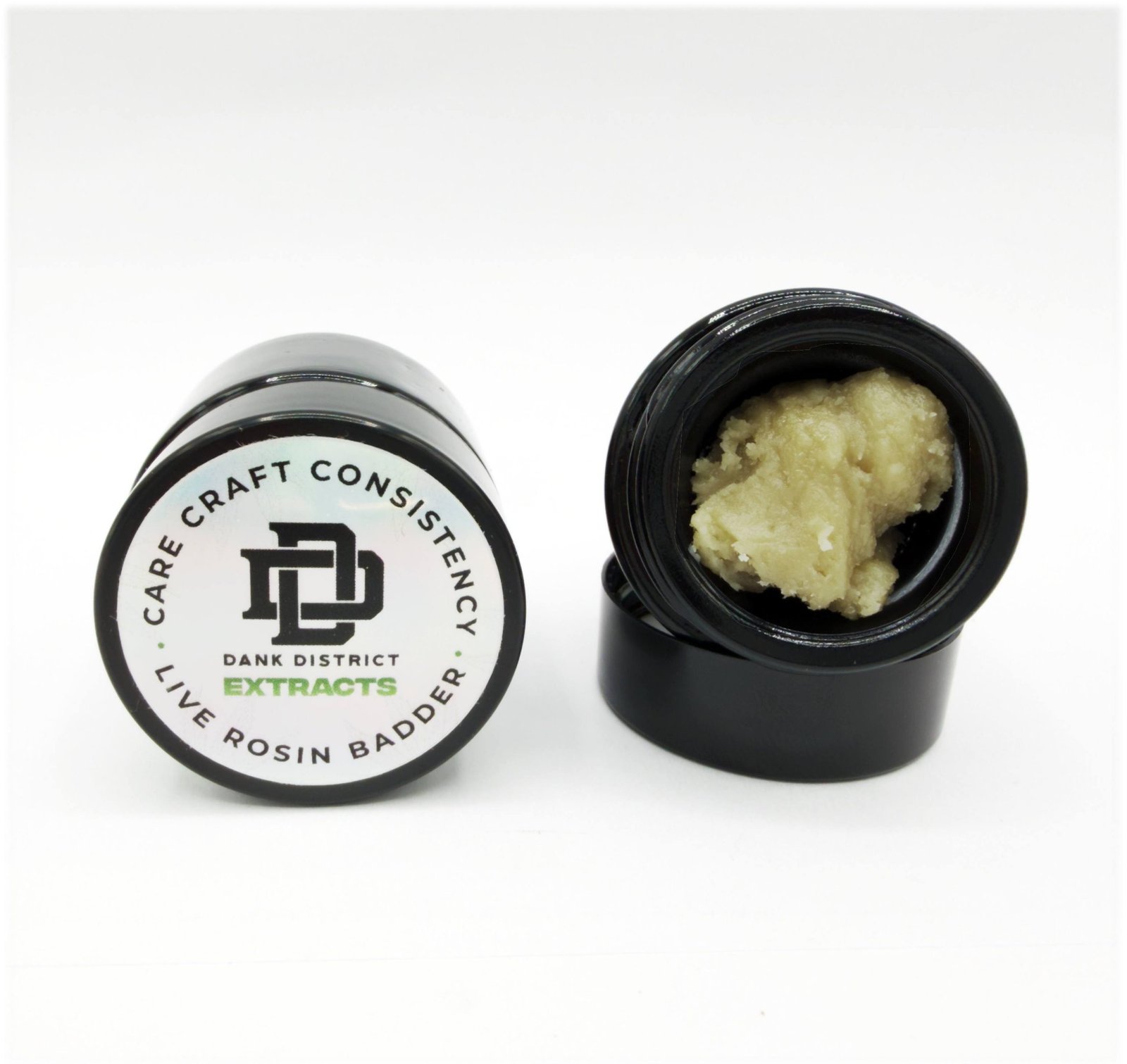

Hash Burger Live Rosin: An Educational Concentrate Profile
Introduction to Hash Burger
Hash Burger live rosin profile: this educational guide explores the reported genetics, aroma and flavour characteristics associated with Hash Burger.
Hash Burger is a cannabis cultivar associated with a bold, savoury aromatic character and a pungent, earthy profile. In cannabis culture, its name is commonly connected with rich hash-like notes, herbal complexity and the gassy aromas that distinguish certain modern cultivars from sweeter, fruit-forward varieties.
The Hash Burger profile is particularly interesting from an aroma and terpene perspective. Descriptions commonly include savoury hash, pungent gas, earthy mushroom, smoky cedar, black pepper and a brighter citrus element. These terms provide a vocabulary for discussing the cultivar’s reported sensory characteristics, although the exact profile can differ between growers, phenotypes and individual batches.
Hash Burger Live Rosin Profile
The term live rosin badder combines several concepts used in concentrate terminology. Live rosin refers to a solventless extract associated with starting material that has been preserved fresh or frozen after harvest. Badder describes a whipped or creamy consistency that certain concentrates develop during processing. These terms describe different aspects of the material: the extraction method and the final texture.
Hash Burger Genetics and Lineage
Hash Burger is commonly reported as a cross involving Han Solo Hash Plant and Double Burger. This lineage is associated with the cultivar’s distinctive name and its reputation for savoury, earthy and pungent aromatic characteristics.
Genetic descriptions should be treated as reported lineage information rather than an independent verification of a particular sample. Cultivar names and genetic records can vary among breeders and databases, and plants with similar names may not share identical characteristics.
Phenotype selection, cultivation conditions, harvest timing, drying, curing and storage can influence the aroma and appearance associated with a cultivar. Consequently, the name Hash Burger alone cannot establish the precise chemical composition of an individual sample.
Understanding the Hash Burger Aroma Profile
Aroma is one of the most frequently discussed aspects of Hash Burger. Its reported profile combines several descriptive categories rather than relying on one dominant note.
Savoury Hash and Pungent Gas
Savoury hash notes describe a deep, earthy aromatic impression associated with traditional hash terminology. Pungent gas is used in cannabis culture to describe a sharp, fuel-like aroma. Together, these terms communicate a profile that is heavier and more savoury than a typical sweet-fruit description.
Earthy Mushroom and Herbal Notes
Earthy mushroom terminology describes damp, soil-like or fungal aromatic impressions. Herbal notes can add another layer of complexity. These are sensory descriptions, not proof that a sample contains mushrooms or particular botanical ingredients.
Smoky Cedar and Black Pepper
Smoky cedar describes a woody impression, while black pepper suggests a dry, spicy aromatic quality. These descriptions can help distinguish complex, savoury profiles from cultivars described mainly through candy, berry or tropical-fruit notes.
Citrus Peel and Lemon Zest
Citrus peel and lemon zest provide a brighter contrast to the heavier earthy and pungent elements. The balance between these descriptions can vary, and a general cultivar profile should not be taken as a guarantee of a particular aroma in every batch.
What Does Live Rosin Mean?
Live rosin is a type of cannabis concentrate associated with solventless extraction. The word live generally refers to starting material preserved fresh or frozen to help retain characteristics of the plant material. The word rosin distinguishes the extract from products made using conventional hydrocarbon or other chemical-solvent extraction processes.
Solventless does not automatically mean that a product is free from every possible contaminant. Product composition and quality depend on the starting material, processing controls, equipment cleanliness, storage and appropriate testing.
A product description should not make absolute purity or safety promises without supporting evidence. Claims such as “100% pure,” “contaminant-free” or “guaranteed safe” require appropriate substantiation and should not be inferred simply from the term live rosin.
Understanding Badder Texture
Badder is a texture descriptor used for concentrates with a soft, creamy or whipped consistency. Depending on the material and processing conditions, concentrates may have different textures, including wax-like, sauce-like, crystalline or buttery appearances.
Texture alone does not establish potency, purity, freshness or quality. Temperature, handling and storage can affect the consistency and appearance of concentrates. Photographs can also make textures appear different from how they look in person.
For educational descriptions, it is useful to separate visual and textural observations from laboratory-confirmed chemical information.
Terpenes and Aromatic Complexity
Terpenes are naturally occurring compounds found in many plants, including cannabis. They contribute to characteristic aromas and are commonly discussed when comparing cultivars.
The savoury, spicy, woody, earthy and citrus notes associated with the Hash Burger profile may invite discussion of several aromatic categories. However, sensory descriptions cannot establish which terpenes are present or identify their concentrations in a particular sample.
A laboratory terpene analysis is needed to substantiate a specific terpene profile. Without batch-specific results, it is more accurate to describe the reported aroma in general terms than to assign exact compounds or percentages.
Terpene content can vary because of genetics, growing conditions, harvesting, processing and storage. Even products carrying the same cultivar name may show different analytical results.
Laboratory Testing and Product Information
Laboratory documentation is an important source of information when evaluating claims about the composition of a cannabis concentrate. A certificate of analysis may report cannabinoid concentrations and, depending on the laboratory and test panel, information about certain contaminants or other measured compounds.
A meaningful laboratory claim should relate to the specific batch being described. A general statement that a brand tests its products is not equivalent to having a verified report for every batch.
When reviewing a certificate of analysis, readers should check the sample identity, batch or lot number, testing date, laboratory details, reported analytes and units. The scope of the test also matters: a cannabinoid potency report does not necessarily demonstrate that every possible contaminant has been tested.
No potency percentage should be inferred from appearance, aroma, texture or cultivar name alone.
Why Cultivar Profiles Vary
Cannabis cultivar descriptions are useful as general references, but they cannot capture every difference between individual samples. Several factors may contribute to variation.
Genetics influence the range of traits a plant may express. Environmental conditions can affect plant development and chemical composition. Harvest timing, post-harvest handling, processing and storage can further change the characteristics observed in the finished material.
Descriptions such as earthy, gassy, spicy or citrus-forward should therefore be understood as reported sensory characteristics rather than guaranteed specifications.
This distinction is particularly important when reading online strain databases, community reviews and general product descriptions. Such sources may provide useful terminology, but their observations should not be confused with verified laboratory measurements.
Cannabis Concentrate Terminology
Understanding common concentrate terminology makes it easier to interpret educational content accurately.
- Cultivar: A cultivated plant variety selected for particular characteristics.
- Lineage: The reported genetic background of a cultivar.
- Terpenes: Aromatic compounds that contribute to smell and flavour.
- Solventless: A description of an extraction approach that does not rely on conventional chemical solvents.
- Rosin: An extract associated with a solventless extraction process.
- Badder: A soft, creamy or whipped concentrate texture.
- Certificate of analysis: A laboratory report documenting the results of specified tests.
These terms describe different things and should not be treated as interchangeable. For example, badder describes consistency, while solventless describes an extraction approach.
Hash Burger in Modern Cannabis Culture
Hash Burger illustrates the diversity of terminology used in contemporary cannabis culture. While some cultivar profiles emphasise fruit, candy or floral notes, Hash Burger is commonly discussed through a more savoury vocabulary involving hash, gas, earth, wood and spice.
This vocabulary helps enthusiasts compare reported aromatic characteristics without assuming that every sample will be identical. It also demonstrates why cultivar names, sensory descriptions and laboratory data should be considered separately.
For DANK DISTRICT, educational content can help readers understand the language surrounding cultivars and concentrate formats while maintaining a clear distinction between general descriptions and verified product information.
Summary of the Hash Burger Profile
Hash Burger is commonly associated with a reported Han Solo Hash Plant × Double Burger lineage and a savoury, pungent aromatic profile. Descriptions include hash funk, earthy mushroom, smoky cedar, black pepper and citrus peel.
Live rosin refers to a solventless concentrate category, while badder describes a soft, creamy consistency. Neither term alone proves a particular potency, terpene concentration or safety profile. Those details require appropriate evidence and, where relevant, batch-specific laboratory testing.
Individual samples can vary, so general cultivar information should be treated as an introduction rather than a definitive specification.
https://dankdistrict.co.uk
weedmaps.com
DANK DISTRICT — BUILT FOR STONER CULTURE.
Reviews
There are no reviews yet.