
Cannabis-inspired design has developed into a wider lifestyle aesthetic, influencing streetwear, graphic design, home accessories and contemporary alternative fashion. For people exploring cannabis lifestyle accessories in the UK, the appeal often comes down to a combination of practical design, distinctive artwork and personal style.
At DANK DISTRICT, the focus is on the visual culture surrounding accessories, apparel and modern streetwear. From minimalist metal hardware to bold graphic pieces, the right accessories can reflect individual taste without compromising on quality, functionality or responsible use.
This guide explores seven areas worth considering when choosing cannabis-inspired lifestyle accessories, with a focus on design, materials, care and the UK market.
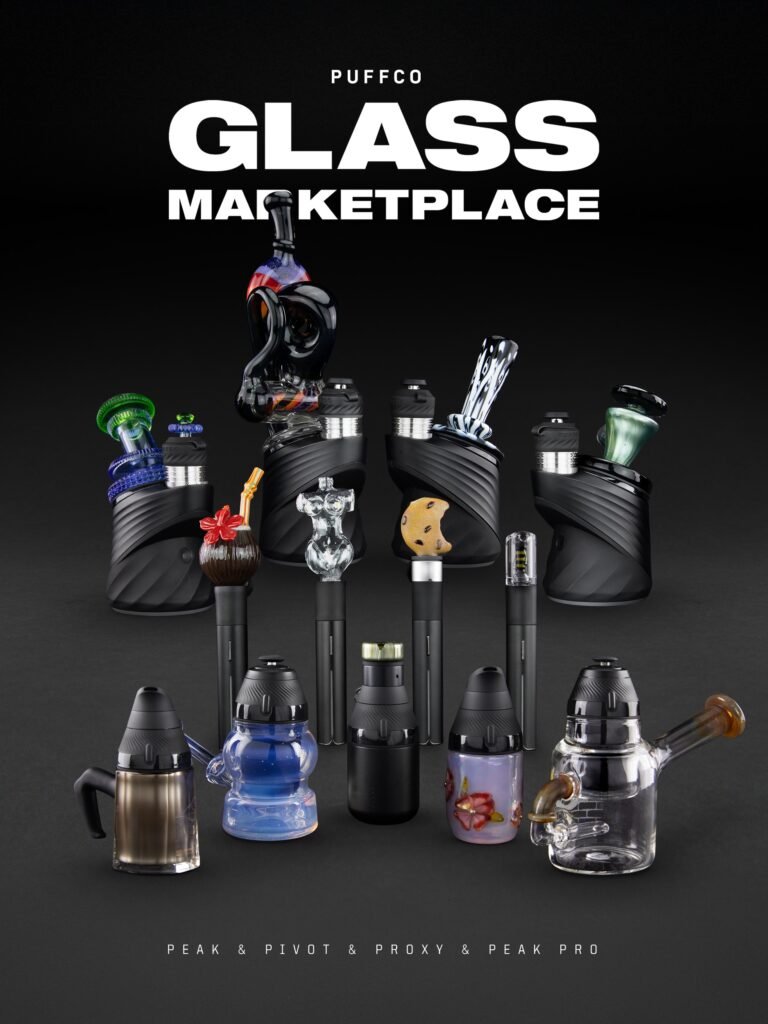
1. Cannabis Lifestyle Accessories UK: Understanding the Modern Aesthetic
The phrase cannabis lifestyle accessories UK covers a broad range of products and design influences. Some items are functional accessories, while others simply reference cannabis culture through illustrations, colours, typography or streetwear graphics.
Contemporary designs often use black, green, cream and metallic finishes. Others take inspiration from skateboarding, underground music, vintage print, graffiti and independent fashion labels.
When comparing products, consider whether the design suits your personal style, whether the materials appear durable and whether the item has a clearly described purpose. Product descriptions should identify materials and dimensions where relevant rather than relying on vague claims about quality.
Explore the wider DANK DISTRICT aesthetic through our WACKO MARIA High Times shirt and RAW Flight Jacket editorial pages.
2. Rolling Trays: Practical Design and Graphic Detail
Rolling trays are a familiar accessory in cannabis-related visual culture. They are available in different shapes, sizes, finishes and graphic styles, ranging from simple metal surfaces to brightly illustrated designs.
When evaluating a tray, look at its dimensions, edge height, surface finish and ease of cleaning. A stable, smooth surface can help keep small items organised, while raised edges may reduce items slipping off the sides.
Artwork is another consideration. Some people prefer restrained branding, while others choose colourful illustrations or bold lettering that match a wider collection of accessories.
Before purchasing, check the product’s actual dimensions and material description. Avoid assuming that a tray is metal, heat-resistant or suitable for a particular purpose unless the manufacturer specifies it.
3. Grinders and Small Hardware: Materials Matter
Small hardware accessories can look similar in photographs while differing considerably in construction. Metal, plastic and other materials each have different durability and maintenance characteristics.
A useful product listing should explain the material, size, number of components and recommended cleaning method. Clear photography should show the item from multiple angles, including its closure, finish and any moving parts.
Look for straightforward specifications rather than unsupported claims. Terms such as premium or professional are subjective unless the listing explains the features that justify them.
For a coordinated visual style, accessories can be considered alongside apparel and other design-led pieces rather than chosen solely for their branding.
4. Cannabis-Inspired Streetwear and Apparel
Streetwear remains an important part of alternative lifestyle design. Cannabis-inspired apparel may feature graphic prints, oversized silhouettes, embroidered details, muted colour palettes or references to music and underground art.
When choosing clothing, start with the garment itself. Check the size chart, fabric composition, washing instructions and fit description. A clear size guide is particularly useful when buying online from a UK or European retailer.
Brand authenticity also matters. If a product uses a recognised label, verify the seller and product details rather than relying on a logo alone. Listings should accurately identify whether an item is an official branded product, an independent design or simply inspired by a particular aesthetic.
See the RAW-inspired rug runner for another example of how graphic lettering and accessory design can extend beyond clothing.
5. Storage and Organisation: Look Beyond Appearance
Storage accessories can combine visual appeal with practical organisation. Depending on the intended use, shoppers may encounter cases, containers, pouches and decorative storage pieces in a variety of materials and sizes.
Useful details include internal dimensions, closure type, cleaning requirements and the manufacturer’s intended use. A compact case may be convenient for carrying small personal items, while a larger organiser may be better suited to a fixed space.
Do not assume that a product is child-resistant, odour-proof, waterproof or compliant with specific safety standards unless those properties are documented by the manufacturer.
Keep products securely stored and out of the reach of children and pets. Always follow applicable laws and product safety instructions.
6. How to Compare Quality Before Buying
Good product research begins with the details that can be checked. Use this simple comparison process before deciding whether an accessory is right for you.
- Materials: Check the stated construction and finish.
- Dimensions: Compare measurements with the space or purpose you have in mind.
- Care instructions: Look for clear cleaning and maintenance guidance.
- Product photographs: Check that images match the written description.
- Seller information: Look for transparent contact details and returns policies.
- Brand claims: Verify official branding and avoid listings that make unsupported authenticity claims.
- Legal compliance: Check that the product and its intended use are lawful in your location.
A well-written listing should help customers make an informed decision without relying on exaggerated claims or ambiguous product specifications.
7. Understanding UK and EU Rules
The legality of cannabis-related products depends on the product itself, its ingredients and its intended use. Cannabis-themed clothing and ordinary decorative accessories are different from products containing controlled substances.
In the UK, cannabis and certain cannabis-derived substances are subject to controlled-drug legislation. CBD products intended for food use also face specific regulatory requirements, including novel-food authorisation rules where applicable.
For official information, consult the UK Government’s controlled drugs guidance and the Food Standards Agency’s CBD guidance.
Rules can differ between EU member states, so consumers and businesses should check the requirements of the relevant country rather than assuming that a product permitted in one market is automatically permitted throughout Europe.
Building a Consistent Cannabis Lifestyle Collection
A considered collection does not need to be large. Combining a few well-designed accessories with clothing and graphic pieces can create a consistent look without filling a space with items that serve no clear purpose.
Start with your preferred aesthetic: minimalist, vintage-inspired, colourful, industrial or streetwear-led. Then compare construction, dimensions and care requirements before adding complementary pieces.
DANK DISTRICT explores the intersection of alternative design, contemporary streetwear and cannabis-related culture for a UK and European audience. The emphasis is on distinctive style, clear product information and responsible awareness of the rules that apply to different products.
Final thoughts: The best cannabis lifestyle accessories are those that combine a design you genuinely like with transparent specifications and appropriate construction. Whether your interest lies in graphic apparel, organised storage or everyday accessories, informed choices begin with accurate product details and responsible research.
Discover more design-led apparel and accessories through the DANK DISTRICT editorial collection, and always check local laws before purchasing or using regulated products.