
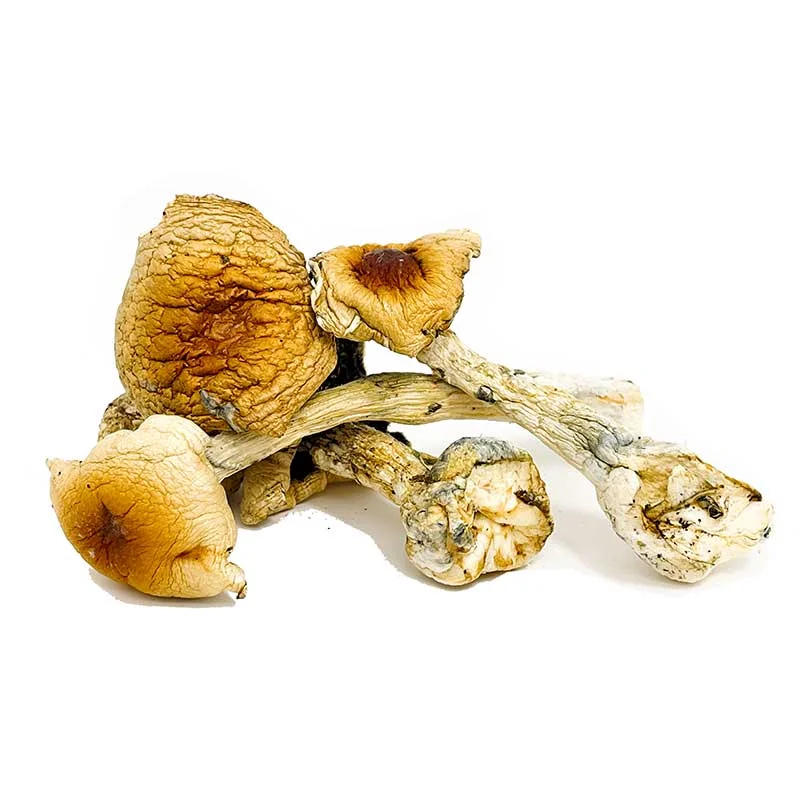

Costa Rican Mushroom Taxonomy and Mycology Reference
Introduction to Costa Rican Mushrooms
Costa Rican mushrooms appear in a variety of fungal reference materials, biodiversity resources and informal mycology discussions. Understanding the terminology used to describe mushrooms is important because common names and variety labels do not necessarily represent formally recognised taxonomic categories.
A Costa Rican mushroom taxonomy reference explains the difference between common names, scientific classification and informal descriptions. It also helps readers distinguish documented scientific findings from claims that have not been independently verified.
Costa Rica’s tropical environments support diverse fungal communities. However, a regional name does not establish the geographical origin, genetic identity or biological characteristics of an individual specimen. These questions require appropriate evidence rather than assumptions based on a label.
Psilocybe cubensis Classification
Psilocybe cubensis is a recognised fungal species discussed in scientific literature concerning psychoactive fungi. Scientific names provide a more precise way to refer to organisms than common names alone.
The phrase Psilocybe cubensis Costa Rica appears in informal descriptions of mushrooms associated with the region. Such wording should not automatically be interpreted as proof of a documented geographical origin, distinct genetic lineage or consistent biological properties.
Scientific classification depends on recognised taxonomic methods and appropriate evidence. A catalogue entry, photograph or community name cannot independently confirm every aspect of a specimen’s identity.
Tropical Mushroom Characteristics
Tropical mushroom characteristics are discussed in relation to fungal diversity, ecology and environmental conditions. Tropical habitats support many kinds of fungi, and their distribution can be influenced by climate, organic matter, moisture and relationships with other organisms.
However, habitat descriptions alone cannot establish the identity of a particular mushroom. Similar environments may contain multiple species, including organisms that are difficult to distinguish without specialist knowledge.
A responsible educational reference treats geographical and ecological information as context rather than definitive identification evidence.
Mushroom Morphology and Identification
Morphology refers to the physical form and observable structures of an organism. In mycology, morphological descriptions can help researchers document fungal diversity and compare observations.
Visible characteristics should not be treated as definitive identification criteria in isolation. Appearance may vary between specimens, while unrelated fungi can sometimes share similar features.
Photographs also have limitations. Lighting, image processing, specimen condition and incomplete views may affect how a mushroom appears. Reliable identification may require specialist examination and evidence beyond a photograph or written description.
Unidentified mushrooms should never be consumed based on an online description or image, as misidentification can cause serious harm.
Scientific Names and Informal Variety Labels
Common names develop through regional usage, historical references and online communities. Consequently, one name may be applied inconsistently, while different names may be used for organisms described in similar ways.
When reviewing Costa Rican mushroom information, readers should check whether a source identifies the organism scientifically and explains the evidence supporting its classification. Informal variety names can help explain community terminology, but they do not automatically establish a formally recognised taxonomic category.
A reliable Costa Rican mushroom taxonomy reference should acknowledge uncertainty and avoid presenting a name as a guarantee of genetic identity, chemical composition or other biological properties.
Understanding Potency and Chemical Claims
Online mushroom descriptions sometimes contain claims about potency, consistency, purity or particular experiences. Such claims should not be accepted as established scientific facts simply because they are repeated across multiple websites.
A label such as moderate potency magic mushrooms is not a standardised scientific measurement. Chemical composition cannot reliably be determined from a common name, regional association or photograph. Claims about chemical properties require appropriate analytical evidence.
Similarly, expressions such as tropical psilocybin strain should be interpreted as descriptive terminology unless supported by reliable research. Scientific writing distinguishes documented findings from anecdotal reports and unverified comparisons.
Tropical Fungal Ecology and Biodiversity
Tropical ecosystems contain a broad range of fungi that contribute to decomposition, nutrient cycling and ecological relationships. Fungal communities are influenced by environmental conditions, available organic matter and interactions with other organisms.
Costa Rica is known for its biological diversity, but the presence of a particular fungus in a region should be supported by reliable records. A regional label does not prove that an individual specimen was collected there.
Researchers studying fungal biodiversity can consult published observations, recognised taxonomic databases and specialist literature. These resources help distinguish established distribution records from informal claims.
Understanding Research Terminology
Terms such as Costa Rican mushroom grow guide, robust multi flush shroom strain, wild landrace cubensis spores and psilocybin spores UK appear in some online searches. Their appearance in search results does not establish the scientific accuracy, legal status or biological properties of any material.
A name or description alone cannot verify genetic identity, specimen quality or provenance. These expressions are therefore best understood as search terminology rather than evidence-based scientific classifications.
This reference discusses terminology and scientific context only. It does not provide cultivation instructions, sourcing information or guidance for obtaining psychoactive fungal materials.
Responsible Mycology Research
Responsible mycology involves accurate terminology, careful observation and respect for the limits of available evidence. Educational materials should distinguish established scientific information from informal reports and unsupported claims.
When evaluating a source, readers can consider whether it identifies the organism scientifically, explains its evidence, acknowledges uncertainty and references reputable publications. These practices support clearer communication and help prevent misunderstandings.
Mycology education should also recognise the risks associated with unidentified fungi. Similar-looking organisms may have very different biological properties, including the potential to cause poisoning. When uncertainty remains, identification should be left to appropriately qualified specialists.
Evaluating Online Mushroom Information
Online descriptions can be useful starting points for learning about fungal terminology, but their scientific reliability varies. Some sources use common names without clarifying the species, while others repeat claims without providing supporting evidence.
Readers should compare reputable sources and distinguish scientific research from anecdotal accounts. Particular caution is appropriate when a page makes guarantees about identity, chemical composition, safety or consistency without presenting verifiable evidence.
A Costa Rican mushroom taxonomy reference should help readers understand classification and terminology rather than encourage conclusions that the available evidence cannot support.
Legal Awareness in the United Kingdom
Laws concerning psychoactive fungi and associated substances vary by jurisdiction. Readers should consult applicable legislation and official government resources rather than assume that a material is lawful because it is described as a research specimen.
For UK-related information, consult the UK government’s controlled drugs list. This page is an educational reference, not legal advice. The legal status of a particular material or activity should be assessed according to the relevant legislation.
Frequently Asked Questions
What does the term Costa Rican mushrooms mean?
It is a common-name description used in mushroom-related discussions. The name alone does not establish the geographical origin or scientific identity of an individual specimen.
What is Psilocybe cubensis?
Psilocybe cubensis is a recognised fungal species discussed in scientific and educational literature. Identifying an individual specimen requires appropriate evidence.
Can a photograph confirm mushroom identity?
Not reliably in every case. Photographs may omit important characteristics, and similar-looking fungi can be difficult to distinguish. Specialist identification may be necessary.
Are informal mushroom variety names scientific classifications?
Not necessarily. Informal names may be used in communities without representing formally recognised taxonomic categories or verified genetic lineages.
Where can readers find reliable mycology information?
Reputable scientific publications, recognised fungal reference works, university resources and qualified mycology specialists are useful starting points. Sources should be evaluated for evidence, accuracy and clear explanations of uncertainty.
Conclusion
Costa Rican mushroom terminology provides an opportunity to explore fungal classification, morphology and the distinction between common names and scientific nomenclature. Accurate identification depends on appropriate evidence rather than a regional label, photograph or informal variety name.
A reliable Costa Rican mushroom taxonomy reference prioritises evidence-based information, responsible identification and awareness of applicable law. These principles help readers interpret online descriptions carefully and develop a clearer understanding of fungal diversity.
For further general information, visit the DANK DISTRICT homepage or browse the DANK DISTRICT shop.
Costa Rican Mushroom Taxonomy: Classification and Research
Costa Rican mushroom taxonomy is an important subject for understanding fungal naming conventions, species classification and the limitations of informal variety labels. A reliable Costa Rican mushroom taxonomy reference distinguishes established scientific names from regional descriptions and unverified claims.
Scientific Naming and Identification
Understanding Costa Rican mushroom taxonomy involves recognising the difference between common names and scientific classification. A geographical label does not independently establish a specimen’s origin, genetics or chemical composition. Responsible research relies on credible evidence and clearly documented observations.
Tropical Fungal Diversity
The study of Costa Rican mushroom taxonomy also provides context for discussing tropical fungal diversity, ecological relationships and the terminology used in educational resources. Habitat descriptions can contribute to scientific understanding, but they cannot independently confirm the identity of an individual specimen.
Responsible Mycology Education
A comprehensive Costa Rican mushroom taxonomy reference should explain classification carefully, distinguish verified findings from informal reports and acknowledge uncertainty. Readers should consult reputable scientific publications and qualified specialists rather than rely exclusively on online descriptions or photographs.
In conclusion, Costa Rican mushroom taxonomy offers an educational framework for understanding fungal classification, scientific naming and responsible identification. Evidence-based research remains essential when interpreting descriptions of tropical fungi.

Reviews
There are no reviews yet.