
B+ Mushroom Mycology Reference
Introduction to B+ Mushrooms
The name B+ is used in informal discussions of a named variety associated with Psilocybe cubensis. Understanding this terminology requires distinguishing community naming conventions from formal scientific classification. A B+ mushroom mycology reference provides educational context about fungal terminology, taxonomy and the limitations of claims made in online descriptions.
Common variety names can help readers understand historical discussions and community terminology. However, a label alone does not establish the genetic identity, chemical composition, geographical origin or other biological properties of an individual specimen.
This reference focuses on scientific naming, general fungal biology and responsible interpretation of mycology information.
Psilocybe cubensis Classification
Psilocybe cubensis is a recognised fungal species discussed in scientific literature. Scientific nomenclature allows researchers to communicate more precisely than common names alone, particularly when informal terminology is inconsistent.
The phrase Psilocybe cubensis B strain appears in some online discussions, but B+ is an informal variety name rather than a separate scientific species name. It should not automatically be interpreted as proof of a formally recognised taxonomic category or verified genetic lineage.
A reliable B+ mushroom mycology reference distinguishes the recognised species from the informal names associated with particular specimens. Accurate identification depends on appropriate evidence rather than a catalogue title or photograph.
Understanding Classic Cubensis Characteristics
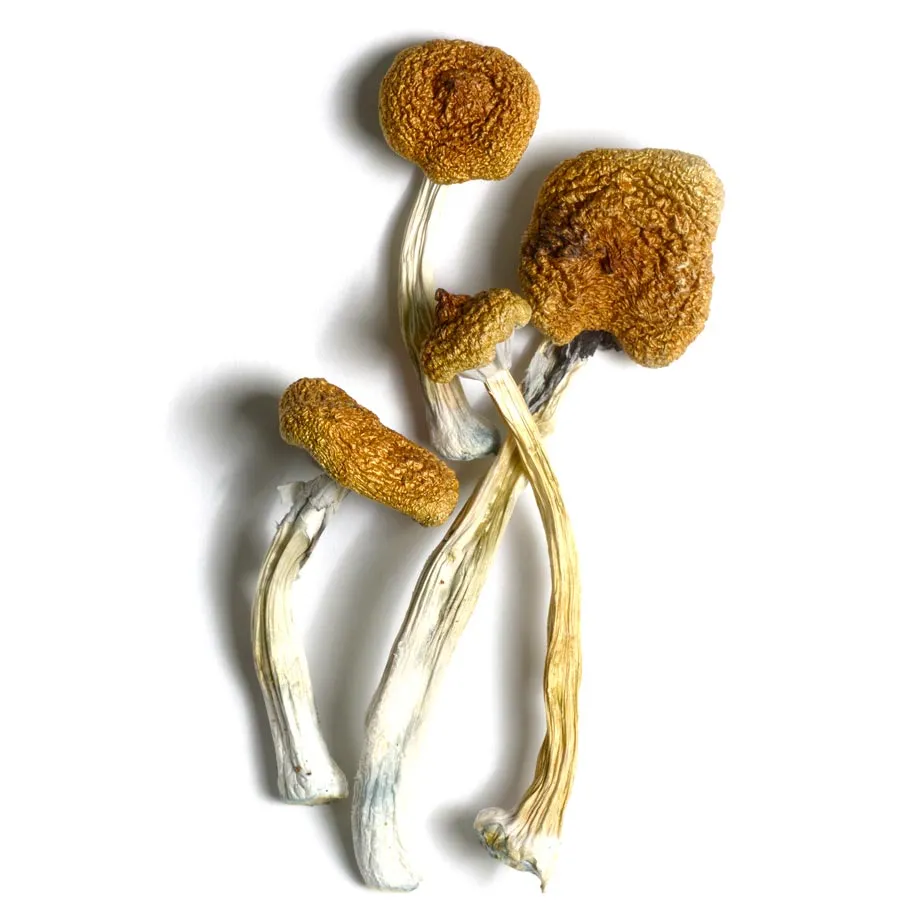
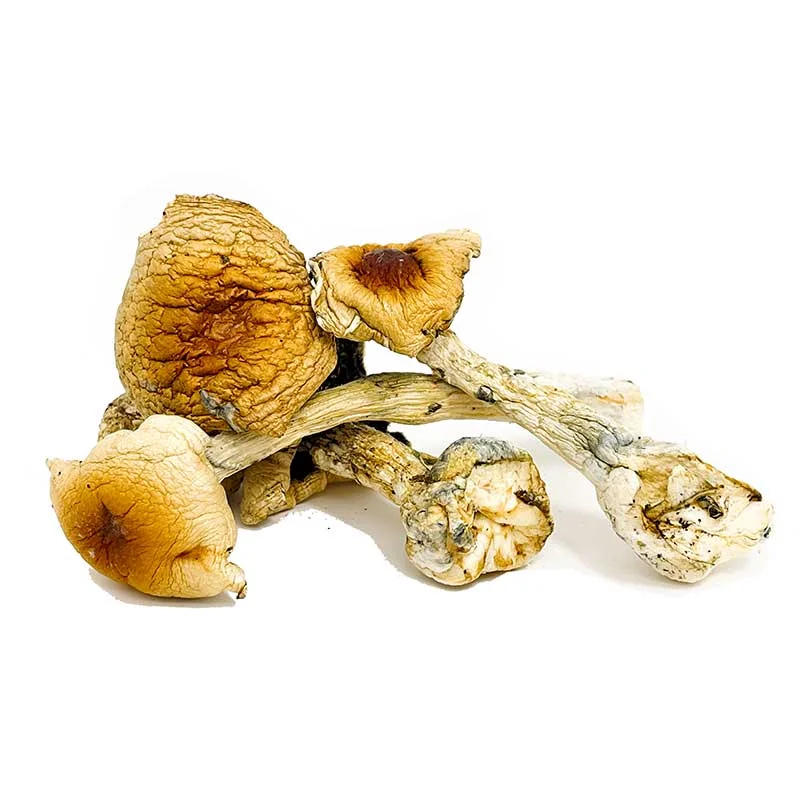
The phrase classic cubensis characteristics refers broadly to descriptions of features associated with Psilocybe cubensis. Morphology is the study of an organism’s physical form and observable structures. In mycology, morphological descriptions can help researchers document fungal diversity and compare observations.
Visible features should not be treated as conclusive identification criteria in isolation. Appearance may vary between specimens, and unrelated fungi can share some visible characteristics.
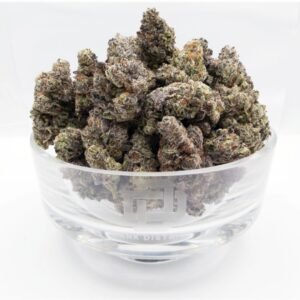
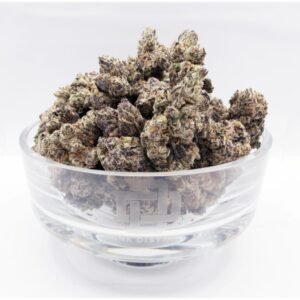
Photographs also have limitations. Lighting, image processing, specimen condition and incomplete views can affect how a mushroom appears. When identification is uncertain, qualified specialists and reliable scientific resources are more appropriate than assumptions based on an online image.
B+ Naming Conventions and Informal Terminology
The expression B plus magic mushrooms is an informal search phrase rather than a scientific classification. Common names develop through community usage, historical references and online discussions. Their meanings may vary between sources and do not always correspond to formally recognised scientific categories.
A B+ mushroom mycology reference should explain these limitations clearly. The use of a familiar label does not guarantee that every specimen associated with it shares identical characteristics.
Readers should distinguish documented scientific findings from informal reports and avoid interpreting a variety name as proof of genetic identity or chemical composition.
Understanding Claims About Mushroom Characteristics
Online descriptions sometimes use phrases such as beginner friendly shroom strain, hardy magic mushroom variety or moderate potency mushroom strain. These expressions are not standardised scientific measurements or guarantees of predictable effects.
Individual specimens may differ, and a name or visual description cannot establish chemical composition. Claims about biological properties require appropriate supporting evidence rather than repeated assertions across websites.
A responsible B+ mushroom mycology reference separates verified findings from speculation and avoids treating informal reputations as scientific measurements. This helps readers evaluate information critically without relying on unsupported claims.
Fungal Diversity and Biology
Fungi play important ecological roles, including the decomposition of organic material and participation in nutrient cycling. Their distribution and characteristics are influenced by environmental conditions and interactions with other organisms.
Studying fungal biology requires careful observation and reliable documentation. A regional description, common name or informal variety label provides only limited information about a particular specimen.
Educational material is most useful when it places observations in the appropriate scientific context and explains where the available evidence is incomplete.
Interpreting Genetics and Variety Claims
The phrase resilient psilocybin genetics appears in some online discussions, but it should not be treated as proof of a verified genetic characteristic. Genetic claims require appropriate evidence and clear information about the material being described.
Similarly, expressions such as B plus grow guide and multi flush shroom yield refer to cultivation-related search terminology rather than established taxonomic categories. This educational reference does not provide cultivation methods or growing-performance recommendations.
Readers should distinguish informal variety descriptions from peer-reviewed findings and avoid assuming that a shared label guarantees identical inherited traits.
Responsible Mycology Research
Responsible mycology involves accurate terminology, careful interpretation and recognition of uncertainty. Educational resources should clearly separate established knowledge from anecdotal reports and claims that have not been independently verified.
When assessing a source, readers should consider whether it identifies the organism scientifically, explains the evidence supporting its statements and references reputable publications.
Unidentified mushrooms should never be consumed based on an online description or photograph. Misidentification can cause serious harm, and qualified identification is important whenever uncertainty remains.
Scientific Literature and Reference Resources
Scientific publications, university resources and recognised taxonomic databases can help readers understand fungal classification. These resources provide a stronger basis for learning than descriptions that make claims without citing supporting evidence.
Readers should pay attention to the publication date, terminology and scope of a source. A discussion of an informal variety name is not necessarily evidence of a recognised taxonomic distinction.
A B+ mushroom mycology reference should explain terminology and classification accurately while acknowledging the limits of available information.
Mycology Reference B Plus UK
The phrase mycology reference B plus UK describes an educational topic centred on B+ terminology and fungal classification for readers seeking UK-related information. It does not establish the legal status of a specimen or associated material.
Readers should distinguish educational information from legal advice and consult applicable legislation before handling materials associated with psychoactive fungi.
For general website information, visit the DANK DISTRICT homepage or browse the DANK DISTRICT shop.
Legal Awareness in the United Kingdom
Laws concerning psychoactive fungi and associated substances differ between jurisdictions. Readers should consult the legislation that applies to their location and use official government resources for current information.
For UK-related information, consult the UK government’s controlled drugs list. This educational reference does not constitute legal advice or establish the legal status of a particular specimen or activity.
Frequently Asked Questions
What does B+ mean in mushroom discussions?
B+ is an informal name associated with discussions of Psilocybe cubensis. It should not be treated as proof of a specimen’s genetic identity or chemical composition.
Is B+ a separate mushroom species?
The name is commonly used as an informal variety label associated with Psilocybe cubensis. It is not the scientific species name.
Can photographs confirm mushroom identity?
Not reliably in every case. Images may omit important features, and some fungi can look similar. Specialist identification may be necessary.
Are informal mushroom variety names scientific classifications?
Not necessarily. Informal names may be used in communities without representing formally recognised taxonomic categories or verified genetic lineages.
Where can readers learn more about mycology?
Reputable scientific publications, university resources, recognised taxonomic databases and qualified mycology specialists are useful starting points.
Conclusion
B+ is an informal name associated with discussions of Psilocybe cubensis. Understanding the terminology requires a distinction between scientific classification, community naming conventions and verified research findings.
A reliable B+ mushroom mycology reference prioritises accurate terminology, responsible identification and evidence-based interpretation. By recognising the limitations of common names and online descriptions, readers can develop a clearer understanding of fungal classification and mycology research.
B+ Mushroom Mycology Reference: Further Reading
This B+ mushroom mycology reference explains scientific naming, fungal classification and responsible identification. A reliable B+ mushroom mycology reference distinguishes established facts from informal descriptions and unsupported claims. Readers using a B+ mushroom mycology reference should consult reputable scientific publications, recognised taxonomic databases and qualified specialists. This B+ mushroom mycology reference also highlights the limitations of visual identification and the importance of evidence-based research when studying Psilocybe cubensis terminology.
Reviews
There are no reviews yet.