
Candy Gas Cannabis Strain
The Candy Gas Cannabis Strain is the subject of this DANK DISTRICT UK product-information page. If you are researching this named strain, the most useful starting point is the specific product listing, together with any available details about its identity, composition and supporting documentation.
Visit the Candy Gas Cannabis Strain product page to review the information provided for the item. Cannabis strain names are not standardised product specifications, and a name alone cannot verify genetic lineage, cultivation origin, cannabinoid concentration or sensory characteristics.
This guide explains how to interpret the Candy Gas name, what to look for in a strain description, how to assess cannabinoid and terpene claims, and where to find relevant UK guidance. It is intended to help readers distinguish documented product information from assumptions based on naming or promotional language.
Candy Gas Cannabis Strain: Understanding the Product Name
The name Candy Gas Cannabis Strain combines two descriptive terms often encountered in cannabis strain naming. Such names can help distinguish products, but their meaning varies between breeders, producers and suppliers.
The word Candy may be used in strain names associated with sweet-themed descriptions. Gas is also used in cannabis naming and may appear in descriptions of certain aroma profiles. Neither term independently establishes the characteristics of this particular product.
For details specific to the item, refer to the Candy Gas product listing. Check what the description actually confirms and whether evidence is available for any specific claims.
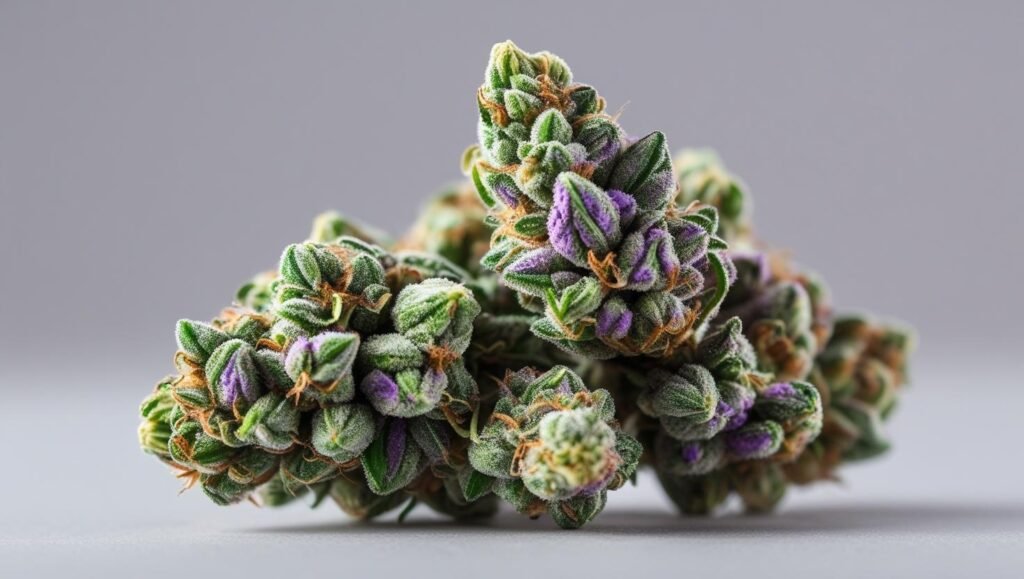
What does a Candy Gas strain profile include?
A strain profile can contain several distinct types of information:
- Product identity: The name used to identify the listing.
- Genetic background: Claims about parent strains or lineage.
- Appearance: Descriptions of the visible botanical material.
- Sensory characteristics: Statements about aroma or flavour.
- Cannabinoid information: Reported THC, CBD or other cannabinoid measurements.
- Terpene information: Claims about the presence or concentration of particular terpenes.
- Traceability: Details that connect documentation to a product or batch.
These details should be evaluated separately. A descriptive name is not proof of genetics, while a photograph cannot establish cannabinoid content or confirm a laboratory result.
A useful Candy Gas strain profile should distinguish between general descriptions and information that has been verified for the particular item.
Why similar strain names can cause confusion
Different suppliers may use similar names for products that do not share identical characteristics. Products may differ in genetic background, growing conditions, processing, storage and composition.
For this reason, information published about a Candy Gas product elsewhere should not automatically be applied to the DANK DISTRICT UK listing. A general strain reference may provide context, but the listing’s own documentation is more relevant when assessing a specific item.
Candy Gas Cannabis Genetics: What Can Be Verified?
Cannabis genetics are often discussed through parent-strain names, breeder information and lineage charts. These can be useful references, but the accuracy of a particular claim depends on the quality and relevance of its supporting information.
Do not assume that Candy Gas has a specific parent-strain combination unless the supplier provides reliable evidence for that claim. Similar names and online descriptions are not sufficient to establish genetic lineage.
How to assess lineage claims
When a product description includes genetic information, consider the following:
- Does it identify the claimed parent strains?
- Is the information attributed to a breeder or another identifiable source?
- Does the source relate to the specific version of the strain being described?
- Is the claimed lineage consistent across the available documentation?
- Does the listing distinguish reported ancestry from independently verified information?
A strain name can be useful for identification without providing a complete genetic history. Where evidence is unavailable, the responsible approach is to describe the lineage as unconfirmed rather than inventing a pedigree.
Genetics and the finished product are different questions
Even where a strain’s lineage is well documented, genetics alone cannot establish the composition or quality of an individual product. Growing conditions, harvest timing, handling and storage can affect the finished material.
A genetic label should therefore not be used as a substitute for product-specific information. If a listing provides cannabinoid figures or other measurable claims, assess those claims separately from the stated lineage.
Candy Gas Cannabis Flower: Appearance and Product Details
The appearance of botanical material can vary between individual specimens and batches. Photographs may help identify the general product presented in a listing, but they cannot reliably establish every aspect of its identity or composition.
When reviewing a cannabis flower product page, consider whether the images are clearly associated with the item and whether the written description provides enough information to understand what is being represented.
Product photographs and identification
A main product photograph should represent the listed item as accurately as possible. If a photograph is illustrative rather than an image of the actual product, it should not be presented as proof of the item’s precise appearance.
Image quality matters for accessibility and clarity. A well-lit photograph with a simple background can make visual details easier to inspect, while an additional close-up may help readers understand the visible surface and texture.
Neither image type can establish the product’s genetics, THC concentration, purity or legal status.
Why batch variation matters
Products derived from botanical material can vary between batches. Differences in growing conditions, processing, handling and storage may affect appearance and composition.
If the listing provides batch-specific details, use those details to understand what the information relates to. Avoid assuming that a photograph from one batch represents every subsequent batch or that a result for one sample applies to all material sold under the same name.
Cannabinoid Information: Reading Product Claims Carefully
Cannabinoids are compounds found in cannabis and other plants. THC and CBD are two well-known examples, but a product’s actual cannabinoid profile cannot be determined from its name or appearance.
If the Candy Gas listing states a THC or CBD percentage, the figure should be interpreted in the context of the measurement method and any supporting documentation. A claim about a high concentration should not be treated as established merely because it appears in promotional copy.
What to look for in a cannabinoid report
Where a laboratory report is provided, useful checks include:
- Product identification: The report identifies the relevant product or sample.
- Batch information: A batch or sample reference connects the report to the material being described.
- Test date: The date helps establish when the sample was analysed.
- Reported results: The document clearly states the measured cannabinoids.
- Testing scope: It identifies what was and was not tested.
- Source information: The laboratory and relevant report details are identifiable.
A certificate of analysis should be relevant to the product and the claim being made. A generic report, unrelated image or untraceable certificate does not verify the composition of a particular listing.
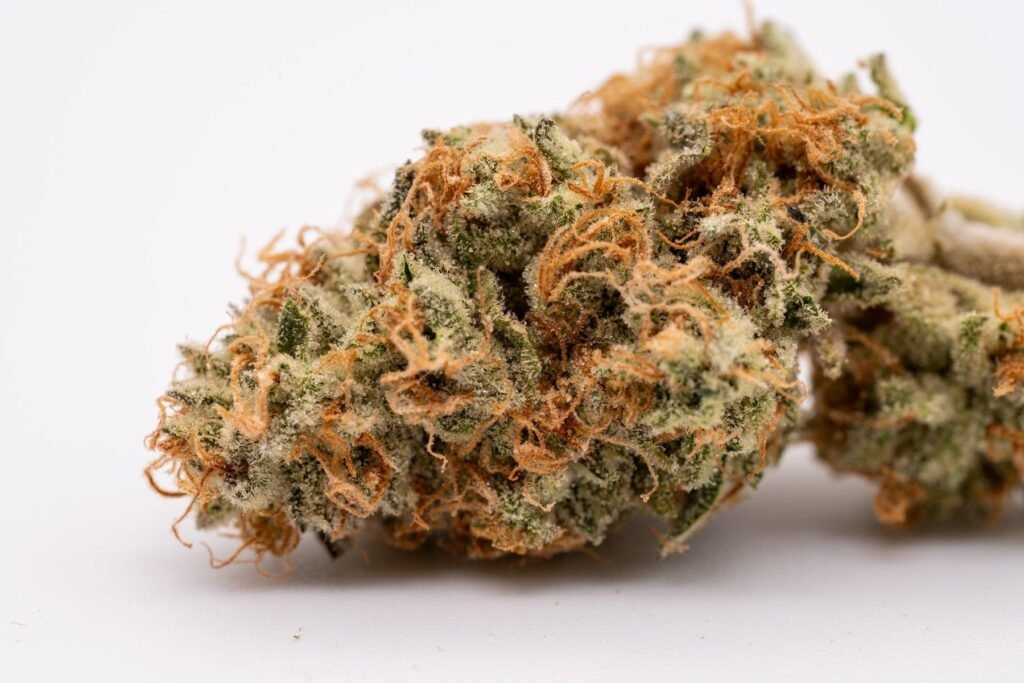
Why a single percentage is not a complete quality assessment
A cannabinoid percentage represents one aspect of composition. It does not independently establish genetic identity, the absence of contaminants, overall product quality or the likely response of an individual.
Readers should be cautious of descriptions that use a single figure to imply that every other quality or safety question has been resolved. Accurate labelling and relevant evidence provide a stronger basis for understanding a product than an isolated promotional claim.
Cannabis Terpene Information and Sensory Descriptions
Terpenes are naturally occurring compounds found in many plants. They contribute to the aromas of a wide range of botanical materials and are frequently discussed in cannabis strain descriptions.
However, a strain name does not confirm which terpenes are present in a particular product or their relative concentrations. Specific terpene claims require appropriate product-specific evidence.
Understanding aroma terminology
Cannabis descriptions may use terms such as sweet, earthy, fruity, herbal or fuel-like. These are descriptive categories, and people may interpret sensory language differently.
The words in the Candy Gas name should not be treated as a guarantee of a particular aroma or flavour. Actual characteristics may vary with the product’s genetics, growing conditions, handling and storage.
If a product listing provides a detailed terpene profile, check whether it is supported by relevant testing or other reliable documentation. If such evidence is not provided, the profile should not be presented as a confirmed measurement.
Terpene profiles and product identity
A terpene profile can be one component of a broader product description, but it cannot independently establish a strain’s genetic lineage. Nor does the presence of a particular terpene prove that a product has a specific effect or medical benefit.
For the Candy Gas listing, keep sensory descriptions, genetic claims and measurable composition details clearly separated. This makes the page more informative and reduces the risk of presenting assumptions as facts.
How to Evaluate the Candy Gas Product Listing
Before relying on any product description, review the listing as a whole. The objective is to understand what is being identified, what is being claimed and what evidence is available.
Product identification checklist
Check that the product name is consistent across the title, description and images. Confirm that any referenced specifications relate to Candy Gas rather than another product with a similar name.
Composition checklist
If cannabinoid or terpene figures are stated, look for relevant documentation. Confirm that the report identifies the product or batch and that the figures are presented clearly.
Traceability checklist
Look for relevant batch references and responsible-business details where applicable. Consistent documentation helps establish whether supporting information relates to the item under discussion.
Image checklist
Use genuine product images where possible. If a close-up or illustrative image is used, ensure that its purpose is clear and that it is not represented as laboratory evidence or proof of exact product characteristics.
Listing consistency checklist
Compare the product description with any available label, specifications or supporting documents. If important information is missing or inconsistent, seek clarification rather than assuming that the claim is correct.
These checks provide a more reliable basis for evaluating a Candy Gas strain profile than relying on its name alone.
UK Legal Considerations for Cannabis-Related Products
The legal status of cannabis-related products depends on their composition, classification, intended use and jurisdiction. A strain name or seller description does not establish that a product may lawfully be possessed, supplied or purchased.
In the UK, cannabis and cannabis-derived products can be subject to controlled-drug legislation and other requirements. The applicable rules may depend on the substance and circumstances. A statement that a product is a particular strain does not determine its legal status.
For official background information, consult the following resources:
- GOV.UK — Drugs penalties: Information about drug-related offences and penalties in England and Wales.
- NHS — Drug addiction and support: Information about drugs, associated risks and sources of support.
- GOV.UK — Cannabis, CBD and other cannabinoids drug licensing factsheet: Official information about licensing considerations for cannabis, CBD and other cannabinoids.
Rules may differ across UK jurisdictions and other countries. Consult current official guidance applicable to the relevant location and product rather than relying solely on a commercial description.
Explore Related DANK DISTRICT UK Listings
To browse the wider catalogue, visit the DANK DISTRICT UK shop.
Other individual strain listings include Girl Scout Cookies Strain and Purple Gas Cannabis Strain.
Each listing should be evaluated independently. Genetics, cannabinoid content, terpene information and other characteristics should not be transferred from one product to another without supporting evidence.
Frequently Asked Questions
What is Candy Gas Cannabis Strain?
Candy Gas Cannabis Strain is the name used for this product listing. The exact characteristics of the listed item should be assessed using its own description and any relevant supporting documentation.
Does the name confirm the strain’s genetic background?
No. A strain name alone does not verify genetic lineage. Specific parent-strain claims should be supported by reliable information relevant to the product.
Does the name confirm a particular aroma or flavour?
No. Words in a strain name do not guarantee the sensory characteristics of a particular product. Any specific description should be treated as a claim unless it is supported by reliable product information.
Can I determine THC or CBD content from the product name?
No. Cannabinoid concentrations cannot be reliably determined from a strain name or photograph. Check any stated figures against appropriate documentation relevant to the product or batch.
How can I assess claims about terpenes?
Look for a product-specific report or other credible evidence identifying the relevant terpenes. General descriptions are not proof of a particular terpene concentration.
Why should I check batch information?
Batch details can help connect a product to the documentation used to support claims about its composition or testing. A report that cannot be linked to the relevant item provides limited confirmation.
Is Candy Gas Cannabis Strain legal in the UK?
The name alone cannot establish legal status. Applicable requirements depend on the product and circumstances. Consult current official guidance for the relevant UK jurisdiction.
Where can I find the product listing?
Visit the Candy Gas Cannabis Strain product page to review the information currently provided.
Candy Gas Cannabis Strain: Final Product Information
The Candy Gas Cannabis Strain name identifies a product listing, but it does not independently establish genetic lineage, sensory characteristics, cannabinoid content or legal classification.
For the most relevant information, review the Candy Gas Cannabis Strain product page and check the details supplied for the specific item. You can also browse the DANK DISTRICT UK shop to explore other listings.
Clear product identification, consistent documentation and awareness of applicable legal requirements are important when evaluating cannabis-related product information.