
Looking for Fresh Aromatic Cannabis Flower Online: A Guide to Aroma, Freshness and Product Information
When researching fresh aromatic cannabis flower online, it is important to understand how aroma descriptions, freshness claims and product information should be evaluated. Strong fragrance, attractive packaging and premium-sounding names may feature prominently in product descriptions, but none independently proves freshness, authenticity, safety or quality.
For UK readers, informed research starts with understanding the terminology used in product listings, checking the evidence behind seller claims and considering the relevant legal restrictions. The DANK DISTRICT shop provides a starting point for exploring the website, while this guide explains the factors that matter when assessing descriptions of aromatic botanical products.
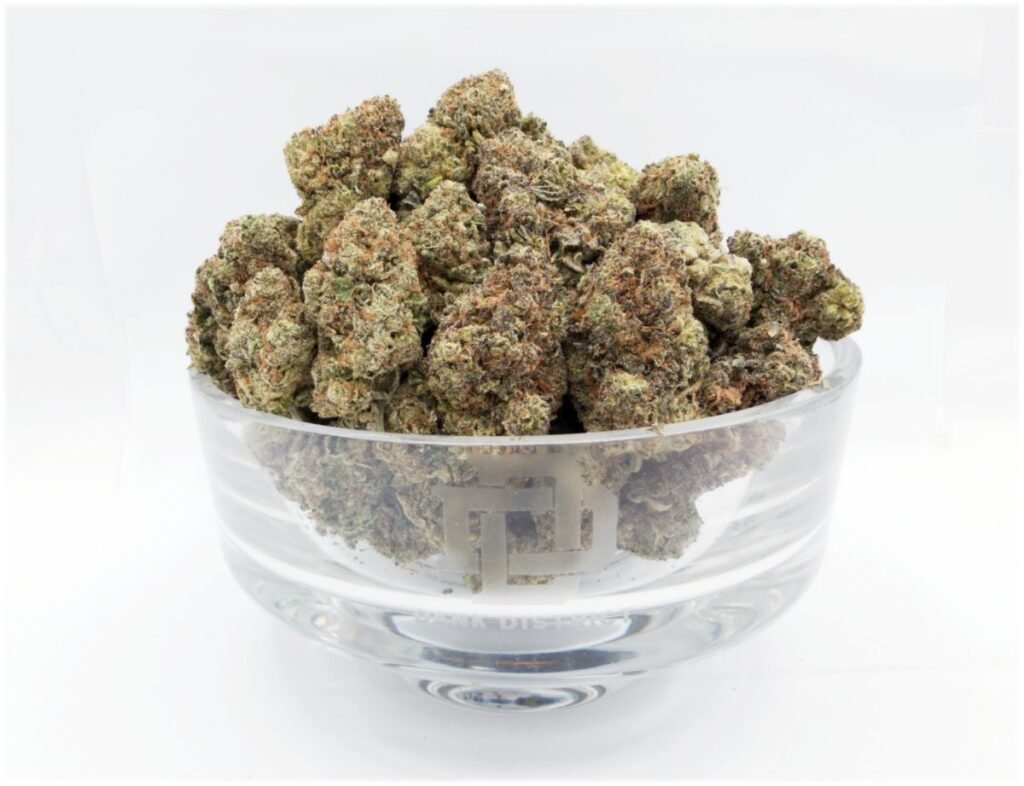
What Does Fresh Aromatic Cannabis Flower Online Mean?
The phrase fresh aromatic cannabis flower online combines three ideas: freshness, aroma and online product research. Each needs to be understood separately.
Freshness generally refers to the condition of a product and how it has been handled over time. Aroma describes the smell associated with a material. Online product research involves assessing the information supplied by a seller without necessarily being able to inspect the item in person.
These concepts are related, but they are not interchangeable. A noticeable aroma does not establish when a product was harvested, how it was stored or whether it has been handled appropriately.
Similarly, the word fresh in a listing may be a marketing description rather than a documented measurement. Responsible evaluation means asking what the seller actually means by freshness and whether any supporting information is available.
Why terminology matters
Product listings often use words such as fresh, aromatic, premium, natural and carefully selected. These words can communicate a seller’s intended positioning, but they do not all have standardised meanings.
Before relying on a description, identify which statements are factual and which are subjective. A clearly dated record is different from a general claim that something is fresh. A description of a scent profile is different from independent evidence about a product’s composition.
Understanding Aroma Descriptions
Aroma is one of the most frequently discussed characteristics in cannabis-related product descriptions. Listings may use terms such as citrus, earthy, floral, herbal, woody or sweet to communicate a perceived scent profile.
These descriptions can help explain how a product is presented, but they are not proof of chemical composition or product identity.
What are terpenes?
Terpenes are a broad group of naturally occurring compounds found in many plants. Some contribute to characteristic plant aromas, while others have different biological roles. Terpenes can be discussed in relation to cannabis, herbs, fruit, flowers and numerous other botanical materials.
However, a scent description alone cannot establish which terpenes are present or their concentrations. Confirming specific compounds requires suitable analytical evidence.
When researching fresh aromatic cannabis flower online, distinguish a seller’s description of a scent from a measured chemical profile. If a listing makes specific composition claims, look for documentation that identifies the sample tested, the testing method and the scope of the results.
Are strong aromas a sign of freshness?
Not necessarily. Aroma intensity can be influenced by multiple factors, including the material’s composition, age, handling, packaging and environmental exposure.
A strong smell does not automatically mean that a product is fresh, authentic or free from contamination. Conversely, a less intense aroma does not by itself establish that a product is old or defective.
It is therefore better to assess freshness claims through available records and transparent product information rather than relying on scent language alone.
How to Assess Freshness Claims Online
When shopping information is presented digitally, readers cannot directly inspect every physical characteristic. This makes the quality and clarity of the accompanying information especially important.
A responsible product description should make it possible to understand what is being claimed without relying entirely on persuasive language.
Check for dated and relevant information
Where relevant and available, look for information about the date of production, packaging or testing. The significance of each date depends on the product category, and a packaging date should not be confused with a harvest date.
Check whether the information applies to the specific item or batch being described. General documentation about a brand or product range may not establish the condition of an individual item.
If a seller makes a specific freshness claim but provides no explanation of how freshness is assessed, treat the claim as unverified.
Consider packaging and storage statements
Packaging can influence how a botanical material is exposed to air, moisture, light and other environmental factors. However, packaging that looks professional does not prove that its contents have been stored correctly.
When reading storage claims, look for clear explanations rather than absolute promises. Statements about handling should be relevant to the particular product and supported by appropriate information.
Do not assume that attractive packaging, a sealed container or a premium label independently guarantees quality or safety.
Look for consistent product descriptions
The product name, description, photographs and supporting documentation should be consistent. If the listing describes a particular aroma profile but the accompanying documentation refers to a different product, that discrepancy deserves clarification.
Likewise, an image should not automatically be treated as a photograph of the exact item being offered. Product images may be illustrative, and any claim that an image represents a specific batch should be verified.
Fresh Aromatic Cannabis Flower Online: Understanding Product Listings
A useful product listing communicates information clearly and avoids exaggerating what can be established. When comparing descriptions, consider the following elements.
| Listing element | What to examine |
|---|---|
| Product name | Whether the name is specific and consistent |
| Aroma description | Whether it is presented as a subjective profile or a verified measurement |
| Freshness claim | Whether dates or relevant supporting records are supplied |
| Product images | Whether images are illustrative or verified as representative |
| Testing statements | What was tested and which sample the results cover |
| Seller information | Whether the business identity and contact details are clear |
| Legal information | Whether the description accurately reflects relevant restrictions |
No single item on this list proves every aspect of a product. Together, however, these checks can help readers identify unsupported claims and areas where additional information is needed.
Why strain names are not enough
Cannabis-related listings may use strain names, cultivar names or branding to describe a product. Names can be inconsistent across sources, and similar names do not necessarily establish that two products have the same genetic background.
A familiar name is not proof of provenance. If a listing makes claims about lineage, origin or authenticity, look for credible supporting information rather than assuming the name confirms those details.
Be cautious with premium and exotic labels
Words such as premium, exotic, exclusive and top shelf are frequently used to position products in the market. Their meanings may vary between sellers.
A premium label does not independently verify freshness, aroma, composition, authenticity or safety. Nor does a higher price establish that a product is superior.
Readers researching fresh aromatic cannabis flower online should separate commercial positioning from evidence that can be independently evaluated.
Seller Transparency and Documentation
Seller transparency is an important part of online research. Clear business information makes it easier to understand who is responsible for a listing and where questions about product claims can be directed.
Examine business information
Look for a consistent business name, appropriate contact information and clear terms relevant to the website. Check whether the information in the listing matches the details supplied elsewhere by the same business.
Be cautious when a listing contains contradictory details or relies on unsupported assurances. A professional-looking website is not, on its own, evidence that every product claim is accurate.
Understand the limits of laboratory reports
Some products may be accompanied by laboratory reports or analytical summaries. These documents should be assessed according to their actual scope.
Check the sample identity, report date, testing laboratory and substances or characteristics examined, where those details are available. Consider whether the documentation applies to the specific product being described.
A laboratory report cannot automatically establish every claim a seller might make. A test of chemical composition, for example, does not necessarily establish genetic identity, complete product history or legal status.
The absence of a particular test result should not be filled with assumptions. Where documentation is incomplete, the appropriate conclusion is that the claim remains unverified.
Recognise pressure-based marketing
Claims that a product is disappearing immediately, available only briefly or exceptionally rare may encourage hurried decisions. Such language does not establish authenticity or quality.
A careful reader should have enough information to assess the listing without being pressured into treating scarcity as proof of value.
Storage, Handling and the Meaning of Freshness
Storage and handling are relevant to many botanical materials, but freshness cannot be reduced to a single visual or sensory indicator.
Environmental conditions may affect a product over time, and the importance of different conditions depends on the material and its packaging. A seller’s description should therefore be interpreted in context.
Why appearance alone is insufficient
Photographs can show visible features, but they cannot reliably establish all aspects of a product’s history or composition. Image quality, lighting and camera settings can also influence how an item appears.
A visually appealing photograph does not establish when the material was produced, how it was handled or whether relevant testing has taken place.
Why aroma alone is insufficient
Aroma is subjective and can vary between individuals. It may also be described using broad comparisons rather than measurements.
A scent description should not be used as a substitute for relevant documentation. In particular, smell alone cannot confirm that a product is free from unwanted substances or otherwise safe.
Avoid unsupported safety guarantees
Be cautious with descriptions claiming that a product is completely safe, contamination-free or guaranteed to have a particular effect without evidence appropriate to the claim.
Safety is not established by price, branding, appearance or fragrance. Testing also has limitations, so any safety-related statement should accurately reflect the available evidence.
Understanding UK Cannabis Laws
Legal considerations are essential when researching cannabis-related products in the United Kingdom. The rules depend on the type of product and the activity involved, and a website listing does not determine whether a particular activity is lawful.
Cannabis and cannabis plants are generally controlled under UK drug legislation. The legal treatment of seeds, plants, cannabis flower, possession, supply and cultivation can differ according to the circumstances and applicable law.
Do not assume that a product is lawful simply because it is advertised online, described as a botanical item or offered by a business operating a website.
For authoritative information, consult the UK government’s controlled drugs and drug licensing guidance and check the legislation relevant to the specific product and intended activity. Where the legal position is unclear, seek qualified legal advice.
Legal status should be assessed separately from aroma, freshness, marketing claims and product presentation.
Warning Signs to Recognise in Online Listings
When evaluating fresh aromatic cannabis flower online, be alert to descriptions that make substantial promises without adequate support.
Common warning signs include:
- Unverified freshness: No relevant dates or explanation supporting the claim.
- Unsupported aroma claims: Specific chemical assertions based only on descriptive language.
- Unclear provenance: No credible information about the product’s source.
- Misleading testing claims: A report presented as proof of characteristics it did not examine.
- Inconsistent details: Conflicting names, dates or product descriptions.
- Guaranteed authenticity: Absolute promises without traceable evidence.
- Pressure to act quickly: Scarcity language used instead of useful information.
- Unclear legal claims: Statements that a product is lawful without considering the relevant circumstances.
These warning signs do not automatically prove that a seller is dishonest. They indicate that further verification may be needed before accepting a claim as established fact.
A Practical Checklist for Evaluating Product Information
Use this checklist to organise your research.
- Identify the product category. Establish exactly what the listing describes.
- Read the full description. Separate factual statements from promotional wording.
- Review freshness information. Check what dates or records are provided and what they actually establish.
- Interpret aroma claims carefully. Do not confuse a scent description with a verified chemical profile.
- Check the product identity. Compare names and descriptions across available sources.
- Examine supporting documents. Confirm the sample, date and scope of any report.
- Assess seller transparency. Look for consistent business information and clear terms.
- Treat images cautiously. Determine whether photographs are illustrative or documented as representative.
- Check relevant laws. Verify the legal position for the particular product and activity.
- Record uncertainty. Do not treat missing information as proof that a claim is true.
This process provides a practical framework for assessing online product descriptions without relying solely on branding or appearance.
Explore DANK DISTRICT Online Resources
Readers can visit the DANK DISTRICT shop to explore the website’s shopping pages, or browse the accessories category for information about that product category.
For more educational material, visit the DANK DISTRICT blog or return to the DANK DISTRICT homepage.
These links provide routes to the site’s main sections. They should not be interpreted as confirmation that a particular cannabis flower, strain or product is currently available. Verify individual product details directly, and consider applicable legal restrictions before making decisions.
Frequently Asked Questions
What does fresh aromatic cannabis flower online mean?
The phrase describes online research relating to cannabis flower marketed in terms of freshness and aroma. Those descriptions should be evaluated separately, because aroma alone cannot establish age, provenance, composition or safety.
Does a strong aroma prove that cannabis flower is fresh?
No. Aroma intensity can be influenced by several factors and is not a reliable stand-alone measure of freshness. Relevant dates, handling information and appropriate documentation provide additional context.
Can a product description prove which terpenes are present?
Not by itself. Descriptive terms such as citrus, floral or earthy communicate a perceived scent profile. Specific claims about chemical composition require appropriate analytical evidence.
Does premium packaging guarantee product quality?
No. Packaging and presentation do not independently verify freshness, authenticity, composition or safety. Claims should be assessed using evidence relevant to the product.
How can I evaluate freshness claims on a website?
Look for relevant dates, clear product identification, consistent descriptions and documentation that supports the specific claim. Be aware that a packaging date is not necessarily a harvest date.
Is cannabis flower legal in the UK because it is sold online?
No. Online availability does not establish legality. The applicable law depends on the product and activity, so consult current official guidance and the relevant legislation.
Conclusion
Researching fresh aromatic cannabis flower online requires a careful distinction between aroma descriptions, freshness claims and independently supported product information. An appealing scent profile, professional presentation or premium label should not be treated as proof of authenticity, safety or quality.
When assessing fresh aromatic cannabis flower online, pay attention to relevant dates, transparent seller information, consistent product descriptions and the limitations of any supporting documentation. Remember that a laboratory report only supports conclusions within its actual scope, while photographs and marketing language cannot replace appropriate evidence.
Readers exploring fresh aromatic cannabis flower online should also consider the applicable UK legal framework rather than assuming that online availability makes a product or activity lawful.
Ultimately, informed research means asking what each claim establishes, checking the available evidence and recognising uncertainty where information is incomplete. A transparent description is more useful than an exaggerated promise, and careful evaluation is more reliable than judging a product by aroma or branding alone.
Fresh Aromatic Cannabis Flower Online
Researching fresh aromatic cannabis flower online requires careful attention to product descriptions, freshness claims and seller transparency. When exploring fresh aromatic cannabis flower online, readers should distinguish promotional wording from verifiable information. Claims about fresh aromatic cannabis flower online should be evaluated using reliable evidence.
Understanding fresh aromatic cannabis flower online means recognising that aroma alone cannot confirm freshness, authenticity or safety. Anyone researching fresh aromatic cannabis flower online should review relevant dates and product information. Reliable information about fresh aromatic cannabis flower online should clearly explain what has and has not been verified.
When comparing fresh aromatic cannabis flower online, examine the accuracy of product names, descriptions and supporting documents. Research into fresh aromatic cannabis flower online should include checking the limits of any laboratory reports. A claim about fresh aromatic cannabis flower online does not automatically establish product quality.
Before relying on information about fresh aromatic cannabis flower online, investigate the source and assess the evidence. Evaluate fresh aromatic cannabis flower online descriptions carefully, particularly when sellers use premium or exclusive marketing language. Responsible research into fresh aromatic cannabis flower online also requires awareness of applicable UK laws.
Keep reviewing fresh aromatic cannabis flower online claims critically. Verify information about fresh aromatic cannabis flower online wherever possible. Assess fresh aromatic cannabis flower online descriptions using reliable documentation. Approach fresh aromatic cannabis flower online research with realistic expectations. Remember that fresh aromatic cannabis flower online is a search phrase, not a guarantee of freshness or safety. Legal awareness remains important when researching fresh aromatic cannabis flower online. Prioritise transparency when evaluating fresh aromatic cannabis flower online. Good research into fresh aromatic cannabis flower online starts with accurate information. Make informed judgments about fresh aromatic cannabis flower online by checking available evidence. Ultimately, fresh aromatic cannabis flower online should be approached with careful research, critical thinking and respect for applicable laws.