
Mushrooms and mushroom gummies are increasingly discussed across food culture, wellness marketing, alternative lifestyles and online communities. However, the word mushroom can describe very different things, from ordinary culinary ingredients to concentrated extracts and psychoactive fungi. Understanding these differences is essential when interpreting product labels, ingredient lists and claims.
At DANK DISTRICT, this guide explores mushrooms and mushroom gummies through an educational lens, covering common categories, ingredient transparency, product labelling and important UK and EU considerations. The goal is to explain the terminology without assuming that every product has the same ingredients, effects, quality or legal status.
1. What Are Mushrooms and Mushroom Gummies?
Mushrooms are the fruiting bodies of certain fungi. Different species have different biological characteristics and uses. Some are familiar foods, while others are studied for their chemical compounds or ecological roles.
Mushroom gummies are a product format rather than a specific ingredient category. Depending on the manufacturer, they may contain culinary mushroom powders, mushroom extracts, vitamins, flavourings, sweeteners or other ingredients. Some products marketed online may also make claims about functional or psychoactive effects.
The name on the front of a packet does not establish its full composition. To understand mushrooms and mushroom gummies properly, consumers need to distinguish the advertised product category from the ingredients actually declared on its label.
A gummy described as a “mushroom blend” may not contain the same ingredients as another product with similar branding. Product names, colours and packaging are not substitutes for a complete ingredient list and reliable manufacturer information.
2. Culinary Mushrooms: Familiar Food Varieties
Culinary mushrooms are used in many cuisines and include familiar varieties such as button mushrooms, shiitake, oyster mushrooms and porcini.
These mushrooms have different flavours, textures and culinary characteristics. They are commonly used in soups, sauces, stir-fries and other dishes. Their nutritional composition varies by species, growing conditions and preparation.
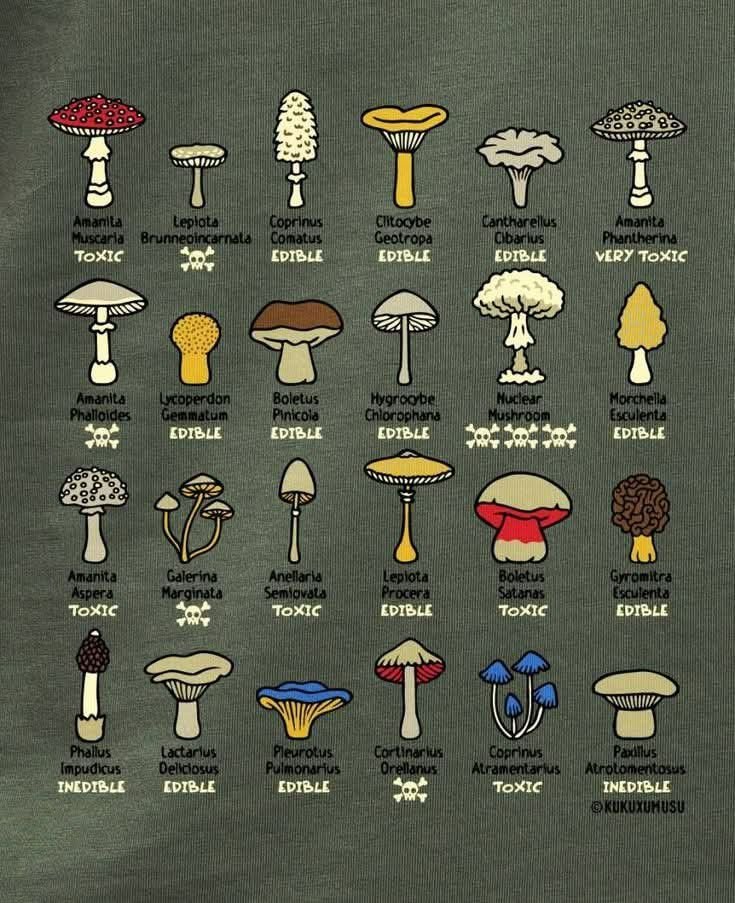
Culinary mushrooms should not be confused with unidentified wild fungi. Some wild mushroom species are toxic, and dangerous varieties can resemble edible ones. Identification based on a photograph, common name or casual visual comparison can be unreliable.
For that reason, mushrooms collected from the wild should not be eaten unless their identification and suitability have been established by a suitably qualified source.
3. Functional Mushroom Products and Extracts
The term functional mushrooms is commonly used in commercial descriptions of mushrooms or mushroom-derived ingredients marketed for purposes beyond ordinary cooking.
Products may feature named ingredients such as lion’s mane, reishi, chaga or cordyceps. Depending on the product, the ingredient could be a dried mushroom powder, an extract or a blend of multiple ingredients.
These forms are not necessarily interchangeable. Processing methods and the part of the fungus used can affect the composition of an ingredient. A product’s label should make clear which ingredients are present and, where applicable, how much of each ingredient is included.
Marketing claims also deserve careful interpretation. A product being described as functional does not prove that it delivers a particular health outcome. Evidence may differ by species, preparation, dose and intended use, and research findings cannot automatically be applied to every commercial formulation.
In the UK, certain products marketed as food supplements or foods may be subject to specific food-safety and regulatory requirements. Novel food status and authorisation may also be relevant depending on the ingredient and its history of use. Businesses should verify the requirements applicable to the actual product rather than assuming that all mushroom extracts are treated alike.
4. Understanding Mushroom Gummies and Their Ingredients
Mushroom gummies combine a gummy format with one or more advertised ingredients. Their convenience and colourful packaging can make them look similar even when their formulations differ substantially.
When reading a label, check the following information:
- Ingredient identity: Does the label identify the mushroom species or extract clearly?
- Amount per serving: Is the quantity of each declared ingredient provided?
- Additional ingredients: Are sweeteners, flavourings, colours or other active ingredients listed?
- Manufacturer details: Is there a clearly identified responsible business?
- Warnings and directions: Are relevant restrictions, warnings and storage information provided?
- Traceability: Is there credible information about the product’s origin and quality controls?
The label should be assessed as a whole. A large number on the front of a package may refer to a blend, an extract equivalent or another measure rather than the amount of a specific ingredient in each gummy.
Do not assume that two mushroom gummies are equivalent simply because their packaging uses the same category name. Ingredient identity and quantity matter more than branding alone.
5. Psychedelic Mushrooms and Mushroom Gummies Are Different Categories
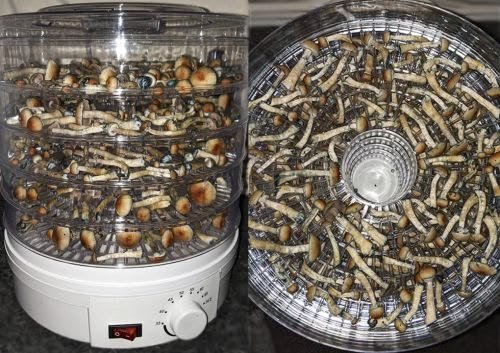
Some mushrooms contain psilocybin or related psychoactive compounds. These fungi are distinct from ordinary culinary mushrooms, and they should not be confused with conventional food ingredients or non-psychoactive mushroom products.
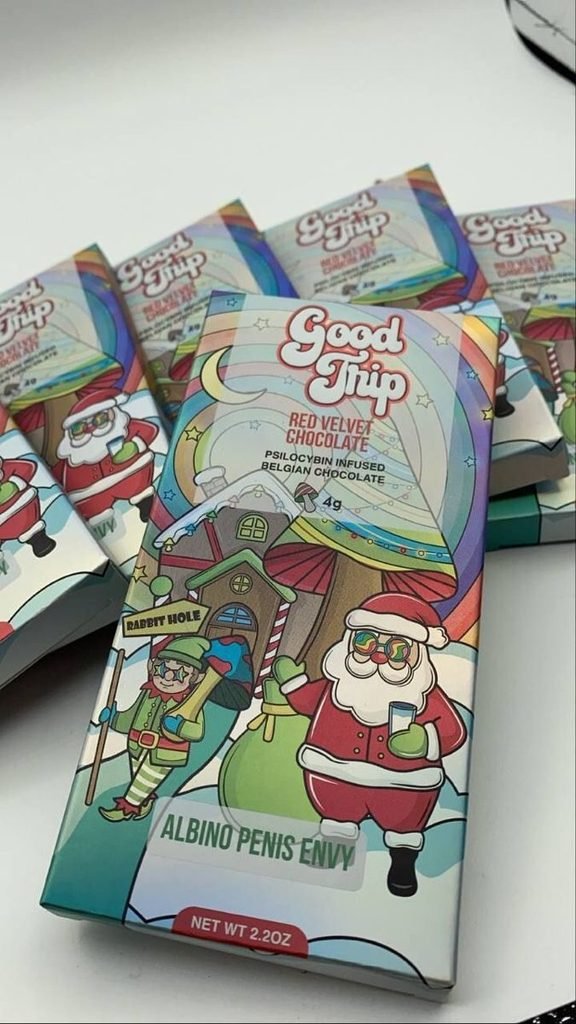
Online products described as psychedelic or “magic mushroom” gummies raise additional concerns. The name or label may not reliably establish which substances are present, their concentrations or whether the product has been independently analysed.
An apparently familiar mushroom-themed package does not prove that a gummy contains a particular mushroom species. Products may contain undeclared ingredients or substances that differ from what a consumer expects.
Psychoactive compounds can also carry significant health risks, including acute psychological distress, confusion and other unpredictable effects. Product uncertainty can make these risks more difficult to assess.
This is why mushrooms and mushroom gummies should not be treated as one uniform product category. Culinary mushrooms, functional ingredients and products marketed as psychedelic require different kinds of evaluation.
6. Product Quality, Testing and Responsible Labelling
Good product information should help consumers understand what they are looking at without making unsupported promises.
For mushrooms and mushroom gummies, important considerations include accurate ingredient identification, transparent quantities, appropriate quality controls and reliable manufacturing information. Depending on the product, relevant testing may address microbial contamination, heavy metals or other substances.
A laboratory report should clearly identify the sample tested, the substances measured and the limits of the analysis. A generic certificate or a claim that a product is “lab tested” does not automatically establish every aspect of its safety or composition.
Be cautious of unsupported claims such as guaranteed effects, universal health benefits or precise potency figures without appropriate evidence. Packaging, flavour and appearance cannot establish the identity of a substance.
If a product’s ingredients are unclear, or its claims cannot be substantiated, do not assume that it is safe simply because it is sold online.
7. Mushrooms and Mushroom Gummies: UK and EU Legal Considerations
The legal position depends on the species, ingredients, intended use and jurisdiction. Ordinary edible mushrooms are different from fungi containing controlled psychoactive substances, while some mushroom-derived ingredients used in foods or supplements may be subject to additional regulatory requirements.
In the UK, psilocybin and psilocin are controlled substances under applicable drug legislation, subject to the relevant legal provisions. Other mushroom products may fall under food-safety, food-supplement or novel-food rules depending on their composition and presentation.
EU requirements can differ between member states, particularly where national rules, food regulations and controls on psychoactive substances are involved. A product advertised online should not automatically be assumed legal to possess, import, supply or sell in every country.
For official UK information, consult the UK Government’s controlled-drugs licensing guidance. For food-related questions, review the UK Food Standards Agency.
DANK DISTRICT aims to explain the distinctions between mushroom categories clearly, without presenting unverified product claims as facts or suggesting that an online listing establishes legal compliance.
Explore Mushroom Education at DANK DISTRICT
Mushrooms and mushroom gummies cover a wide range of products, ingredients and terminology. Understanding the difference between culinary fungi, functional mushroom ingredients and products marketed as psychedelic is an important starting point for interpreting labels and evaluating claims.
When researching a product, begin with its actual ingredients, manufacturer information, relevant testing and applicable legal requirements. Avoid relying on the product name or packaging alone.
Educational disclaimer: This article provides general information and is not a medical recommendation or confirmation that a particular mushroom product is safe or lawful. Product composition, regulatory status and applicable laws should be verified through reliable sources for the relevant UK or EU jurisdiction.